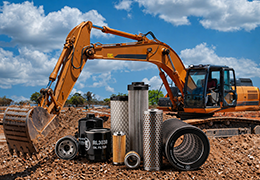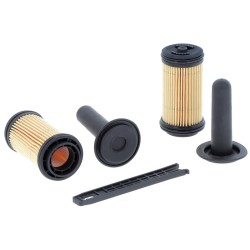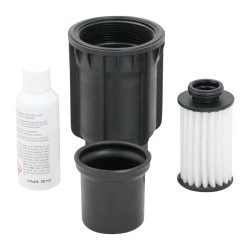
We'd like to say a huge thank you to everyone who visited the RICO Europe stand over the two-day event.

AdBlue Filtration in Plant and Agricultural Machinery
In modern plant and agricultural machinery, efficiency and environmental responsibility go hand in hand.
One advancement contributing to both aspects is the utilisation of AdBlue, a urea-based solution designed to reduce harmful emissions in diesel engines.
However, the effective implementation of AdBlue involves more than just its application; it requires robust filtration to ensure optimal performance.
Understand the role of AdBlue filtration in the world of Plant and Agricultural Machinery.
Understanding AdBlue
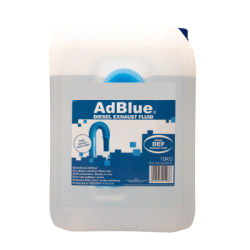
AdBlue, also known as diesel exhaust fluid (DEF), is a clear, non-toxic liquid composed of urea and deionised water. It is injected into the exhaust stream of diesel engines to convert harmful nitrogen oxides (NOx) into harmless nitrogen and water vapour. This process, known as selective catalytic reduction (SCR), is a key strategy in meeting stringent emissions standards.
The Significance of Filtration
For AdBlue to effectively contribute to emissions reduction, it must remain pure and free from contaminants. Filtration plays a crucial role in ensuring the quality of AdBlue before it reaches the SCR system.
Here's why it matters:
Maintaining Purity
Contaminants such as dust, debris, and impurities can compromise the effectiveness of AdBlue. Filtration systems prevent these particles from entering the AdBlue supply, preserving its purity and the SCR catalyst's efficiency.
Protecting Equipment
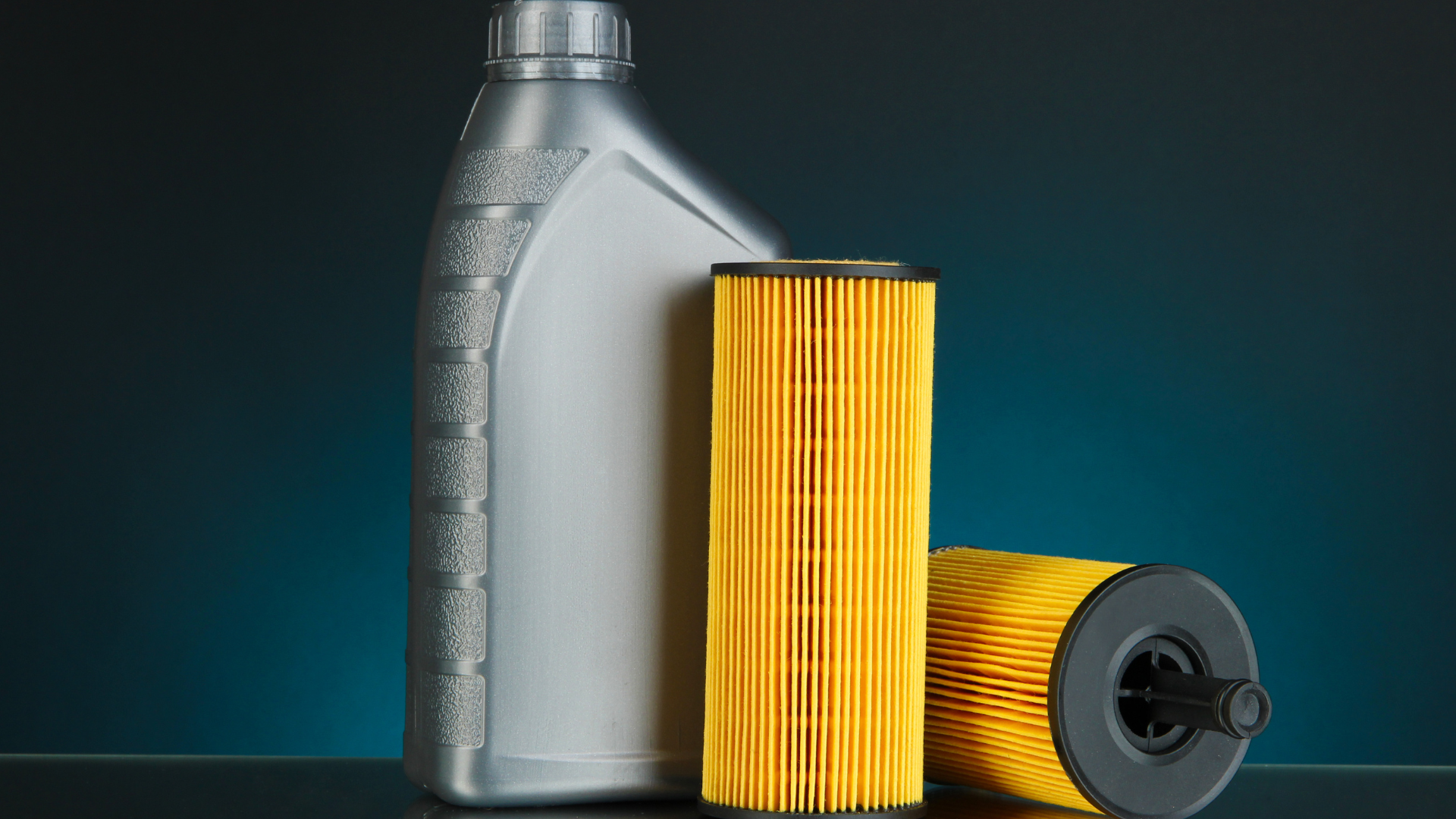
Just as engines benefit from oil and air filtration, AdBlue systems also require protection. Filtration prevents clogging and damage to precision components, ensuring the longevity and reliability of the AdBlue delivery system.
Compliance with Standards
Adhering to industry standards for AdBlue quality is essential. Filtration acts as a barrier against potential impurities that could lead to non-compliance with emissions regulations.
Filtration in Agricultural Machinery
In the context of agricultural machinery, where heavy-duty diesel engines power tractors, harvesters, and other equipment, the role of AdBlue filtration becomes even more critical. These machines often operate in diverse and challenging environments, making robust filtration systems a necessity.
Best Practices for AdBlue Filtration Maintenance
To maximise the benefits of AdBlue and ensure the longevity of filtration systems, consider the following best practices:
Regular Inspections
Implement a routine inspection schedule for AdBlue filtration components, checking for signs of wear, damage, or contamination.
Follow Manufacturer Guidelines
Adhere to the manufacturer's recommendations for filter replacement intervals and maintenance procedures.
Quality AdBlue Supply
Source AdBlue from reputable suppliers to guarantee its compliance with industry standards, reducing the risk of introducing impurities into the system.
For AdBlue to fulfil its role effectively, proper filtration is non-negotiable.