We'd like to say a huge thank you to everyone who visited the RICO Europe stand over the two-day event.

Essential Guide: Compressor Oil for Machinery
Compressors play a vital role in various industries, powering everything from air conditioners to manufacturing processes.
To ensure these machines function optimally and have a prolonged life, proper maintenance is crucial.
One crucial aspect of compressor maintenance is the use of high-quality compressor oil.
Understand the importance of compressor oil, its functions, selection criteria, and best practices for maintaining machinery efficiency.
The Role of Compressor Oil
Compressor oil serves as a lubricant, coolant, and sealant within the machinery.
Its primary function is to reduce friction between moving components, minimising wear and tear on vital parts like pistons, bearings, and cylinders.
Additionally, compressor oil aids in heat transfer, absorbing and dissipating the heat generated during the compression process, preventing overheating and potential damage.
Functions of Compressor Oil
Lubrication
Compressor oil forms a protective layer between metal surfaces, reducing friction and preventing direct metal-to-metal contact.
Cooling
By absorbing and dissipating heat, compressor oil maintains the machinery's temperature within safe operating limits.
Sealing
It creates an airtight seal between compression chambers, preventing gas leaks and optimizing compression efficiency.
Corrosion protection
Compressor oil contains additives that shield metal surfaces from corrosion, safeguarding the internal components.
Selecting the Right Compressor Oil
Choosing the appropriate compressor oil for machinery is essential to ensure optimal performance and longevity. The selection process depends on various factors, including the compressor type, operating conditions, and environmental considerations. Here are some essential steps to follow:
Compressor Type
Identify the type of compressor being used, as different compressors have unique lubrication requirements. The common types include reciprocating, rotary screw, and centrifugal compressors.
Viscosity Grade
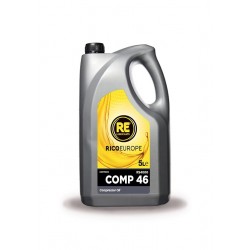
Compressor oil is available in different viscosity grades, typically indicated by numbers such as ISO VG 32, 46, 68, etc. The selection of viscosity grade depends on factors like ambient temperature, compressor speed, and manufacturer recommendations.
Additive Content
Some compressor oils come with specific additives designed to enhance performance in particular conditions. These additives might include anti-wear agents, rust inhibitors, and oxidation stabilisers.
OEM Recommendations
Always refer to the compressor manufacturer's guidelines and recommendations for the most suitable compressor oil for your machinery.
Best Practices for Compressor Oil Maintenance
Once you've selected the right compressor oil for your machinery, maintaining it correctly is crucial for long-term performance. Here are some best practices to keep in mind:
Regular Oil Analysis
Implement a routine oil analysis program to monitor the condition of the compressor oil. This practice helps detect any potential issues like contamination, degradation, or excess moisture early on.
Change Intervals
Follow the manufacturer's recommended oil change intervals thoroughly. Avoid extending the intervals beyond what is advised, as it could lead to wear and damage to the compressor components.
Proper Handling and Storage
Store compressor oil in a clean and dry area away from direct sunlight and extreme temperatures. Ensure proper sealing of oil containers to prevent contamination.
Contamination Control
Keep the compressor and oil reservoir clean to avoid the introduction of contaminants. Regularly inspect and replace air filters to minimise airborne debris.
Compressor oil plays a critical role in maintaining the efficiency and longevity of machinery.
Choosing the right oil, following manufacturer guidelines, and implementing proper maintenance practices are essential to ensure optimal compressor performance.
By giving due attention to compressor oil selection and maintenance, industries can enhance productivity, reduce downtime, and prolong the lifespan of their valuable machinery.