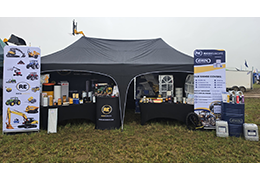
We'd like to say a huge thank you to everyone who visited the RICO Europe stand over the two-day event.
Keeping Your Machinery Cool: Understanding the Role of Antifreeze in Summer Months
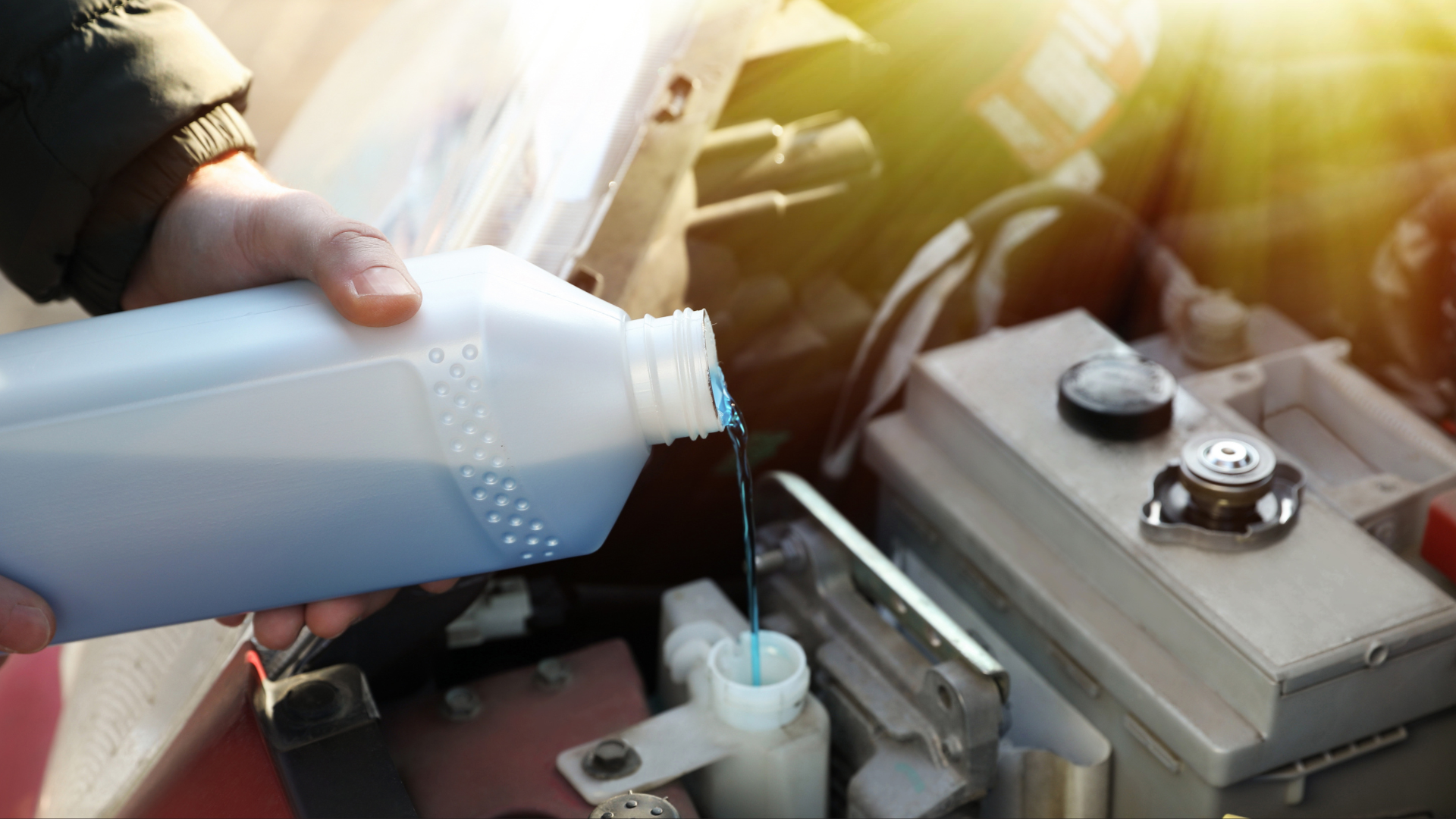
When we think of antifreeze, we often associate it with cold winter temperatures and preventing engine freeze-ups. However, antifreeze plays a crucial role in machinery maintenance, even during the scorching summer months.
From agricultural equipment to industrial machinery, understanding the benefits of antifreeze in the summer is essential for ensuring optimal performance and protecting valuable assets.
Learn what antifreeze does for your machinery in the summer and why it remains an indispensable component of your machinery maintenance routine.
Cooling System Efficiency
Machinery operating in the summer is exposed to high temperatures and demanding workloads. The cooling system, responsible for regulating the machinery's temperature, is under constant strain.
Antifreeze, also known as coolant, helps dissipate heat from the engine by absorbing excess heat and carrying it away to the radiator. During the summer, antifreeze ensures that the machinery's cooling system operates efficiently, preventing overheating and potential engine damage caused by excessive heat buildup.
Preventing Corrosion and Rust
While its name implies protection against freezing, antifreeze also provides crucial anti-corrosion properties. Summer heat and prolonged exposure to moisture can accelerate the corrosion process within machinery's cooling systems.
Antifreeze contains additives that help prevent corrosion and rust formation, keeping vital components, such as radiators, water pumps, and engine blocks, in optimal condition. By using antifreeze, machinery owners can extend the lifespan of their equipment and reduce the risk of costly repairs caused by corrosion-related issues.
Freeze and Boil Protection
Although freezing temperatures may not be a concern in the summer, antifreeze's freeze protection properties remain beneficial all year round.
Antifreeze raises the boiling point of the coolant, allowing it to withstand higher temperatures without boiling or evaporating. In extremely hot weather conditions, engines can reach high operating temperatures, pushing the limits of cooling systems.
Antifreeze helps prevent coolant from boiling and evaporating, ensuring that the cooling system maintains its effectiveness and protects against engine damage caused by overheating.
Lubrication and Water Pump Protection
The lubrication of moving parts within the machinery's cooling system is vital for its smooth operation. Antifreeze contains lubricating additives that help protect water pump seals and bearings, reducing friction and wear. This ensures that the water pump, a critical component responsible for circulating the coolant, operates efficiently and prevents coolant leaks. By using antifreeze, machinery owners can safeguard their water pumps and avoid costly repairs or downtime caused by water pump failures.
pH Balance and Maintenance of Cooling System Components
The cooling system of machinery contains a variety of materials, including metals, rubber hoses, and gaskets. These components can be affected by the pH level of the coolant.
Antifreeze is formulated to maintain the proper pH balance within the cooling system, preventing the formation of acidic or alkaline conditions that could corrode or damage these materials. By using antifreeze, machinery owners can ensure that the cooling system's components remain in optimal condition and avoid the need for premature replacements or repairs.
Antifreeze is not just a winter necessity but an essential component for maintaining machinery in summer as well.
By understanding the role of antifreeze in the summer months, machinery owners can ensure efficient cooling system operation, prevent corrosion and rust, protect against overheating, lubricate vital components, and maintain the pH balance of the cooling system.
Regularly checking and replacing antifreeze according to manufacturer recommendations is a simple yet effective maintenance practice that can help extend the life of your machinery and prevent costly breakdowns during the demanding summer season.