We'd like to say a huge thank you to everyone who visited the RICO Europe stand over the two-day event.

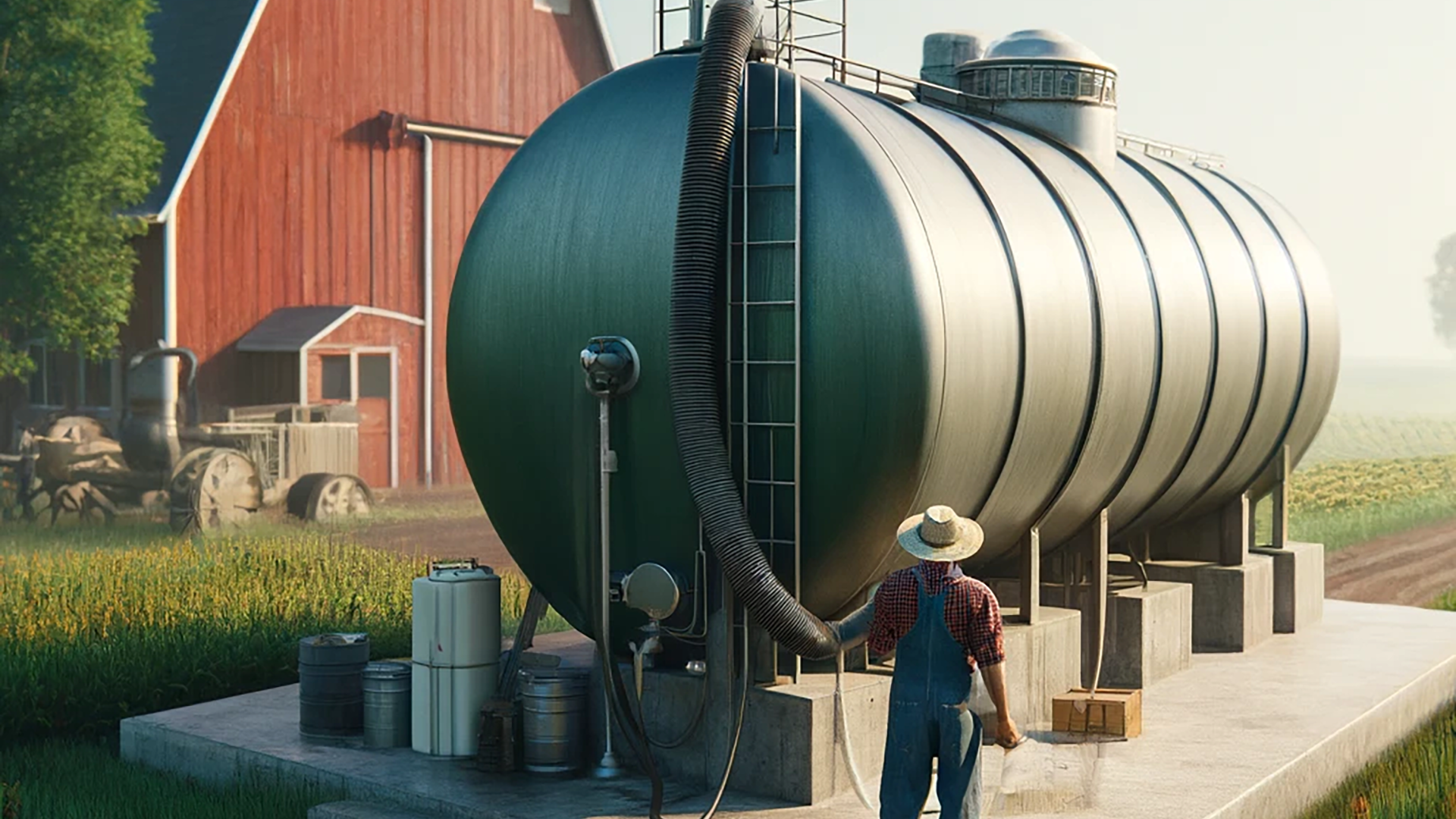
The Importance of Fuel Tank Filtration on Farms
In the world of agriculture, efficient and reliable machinery is the backbone of any successful farming operation.
From tractors to harvesters, these machines rely heavily on fuel to perform optimally. For farms that store fuel in large tanks, maintaining the quality of that fuel is paramount. One crucial aspect of this maintenance is fuel tank filtration.
Here's why implementing effective fuel tank filtration systems is so important for farms with large fuel storage tanks.
Ensuring Machinery Efficiency and Longevity
Farm machinery is a significant investment, and its efficiency and lifespan are directly influenced by the quality of the fuel it uses. Contaminants like dirt, water, and microbial growth can enter fuel tanks and degrade the quality of the fuel. These contaminants can cause engine wear, clog fuel injectors, and lead to costly repairs or replacements. A robust fuel filtration system removes these impurities, ensuring that the machinery runs smoothly and efficiently, thereby extending its operational life.
Less Downtime
Unexpected machinery breakdowns during critical periods, such as planting or harvest season, can be disastrous. Downtime not only disrupts the workflow but also leads to financial losses. Clean fuel, achieved through proper filtration, reduces the risk of engine failure and other fuel-related issues, thereby minimising the chances of unexpected downtime. This ensures that farming operations continue seamlessly, especially during peak seasons.
Protecting the Environment
Agricultural practices are increasingly being scrutinised for their environmental impact. Fuel contamination can lead to incomplete combustion, resulting in higher emissions of pollutants like carbon monoxide and nitrogen oxides. By using filtered fuel, farms can reduce their carbon footprint and contribute to a healthier environment. Additionally, well-maintained fuel systems are less likely to leak, preventing soil and water contamination.
Cost Savings
While the initial investment in a high-quality fuel filtration system may seem significant, the long-term savings are considerable. Clean fuel improves fuel efficiency, meaning machinery uses less fuel to perform the same tasks. Moreover, by reducing the likelihood of engine damage and associated repair costs, filtration systems prove to be a cost-effective measure in the long run. Farms can redirect these savings into other critical areas, enhancing overall productivity and profitability.
Enhancing Fuel Storage Longevity
Fuel stored over long periods can degrade, especially when contaminated with water. Filtration systems can include water separators, which help maintain fuel stability and quality over time. This is particularly important for farms that buy fuel in bulk to take advantage of lower prices or ensure a steady supply during busy periods.
In summary, the importance of fuel tank filtration for farms that store fuel in large tanks cannot be overstated. From ensuring machinery efficiency and preventing downtime to protecting the environment and achieving cost savings, the benefits are manifold.