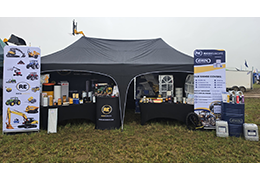
We'd like to say a huge thank you to everyone who visited the RICO Europe stand over the two-day event.
The importance of Hydraulic Filtration
It may come as surprise that the most powerful hydraulic systems bare so much similarity to the human body.
Imagine your heart being the hydraulic pump in your system, and hydraulic fluid being the blood which is filtered by the kidneys (being your hydraulic filters).
However, unlike the human body, manmade hydraulics need careful servicing and maintenance.
How Hydraulic Systems work
Hydraulic oil holding tank
Here is where most of your contaminants will find its way into the oil. However please note new hydraulic oil is not pure, it is recommended that offline filtration is implemented before the oil enters your holding tank.
Water can also contaminate the hydraulic system when moist air condenses as the air outside of your tank cools, in-tank filtration can help with this.
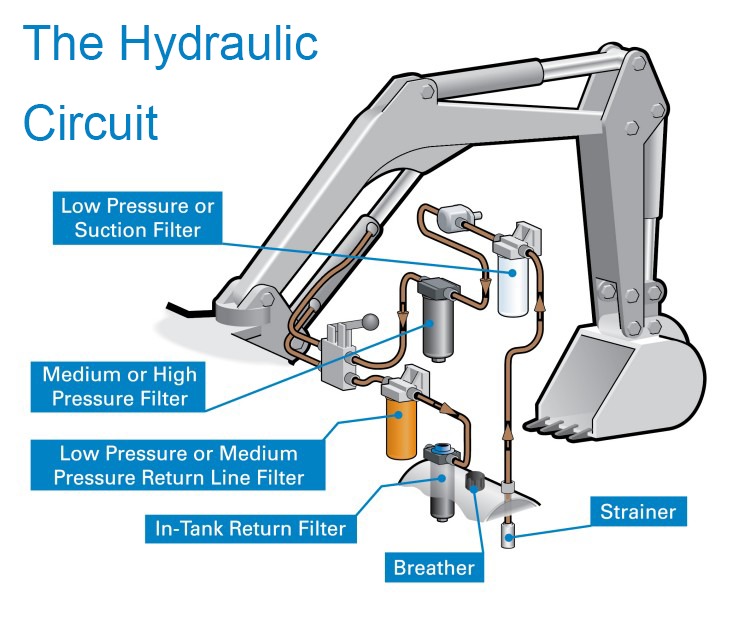
The Hydraulic Circuit
Oil is drawn through a strainer which removes large debris, the oil then moves through a low pressure pump protecting suction filter. The suction filter removes any damaging particulate matter.
The oil then moves through an inline pump through to the high-pressure section of the circuit. This second step of filtration is to protect your expensive hydraulic components, the muscles of the system from particulate and debris.
After lubricating the components of your hydraulic system, the oil then passes back through the medium pressure return line filter which removes particulates generated through component activity.
Air Filters (Breathers)
Air filters are a first line of defence against particulates in the air, it provides the best protection for your hydraulic oil tank.
The filter only allows dry air into the tank as the system breathes in.
Every filter performs an important function. In an ideal hydraulic system, the oil is filtered at every stage along the circuit, before and after entering every component.

Contaminants in your Hydraulic System
70% - 80% of hydraulic component failures are due to contaminants in the oil.
Contaminants in your hydraulic system include sand, silt, metal, water, soot and air in different forms.
Water in your hydraulic system can mean trouble. With water being more compressible than oil, it means it has no ceiling or lubricating capability which will negatively affect the performance of your hydraulic system.
Good filtration also reduces hydraulic oil replacement and disposal costs.
With hydraulic power being the main force in big projects, downtime in stationary and mobile equipment can account for big expenses.
Through the use of clean hydraulic oil and filtration, RICO Europe can help you reduce loss of production and maintenance expense. The correct filtration solutions will lower the cost of hydraulic equipment, reduce component repairs and replacements, ultimately extending your machines life.
Choosing the correct Hydraulic Filter for your Machine
Different machines will have different hydraulic systems meaning there is no ‘one size fits all’ solution.
Hydraulic filters come in many different shapes and sizes depending on its position in the hydraulic system.
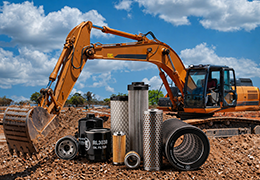
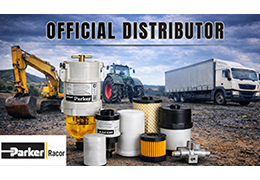
RICO Europe provides a wide variety of hydraulic filters ranging from, bases, breathers, elements, hex nut, indicators, inline, spin-on, suction strainers, return filters and many other types.
Using the RICO Europe Machine search will help you find what Hydraulic filters fit your machine.