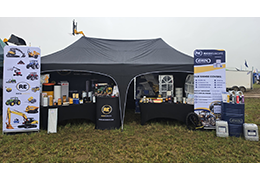
We'd like to say a huge thank you to everyone who visited the RICO Europe stand over the two-day event.
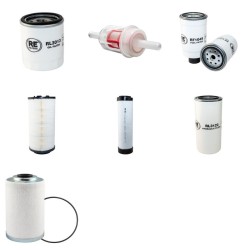
The Importance of servicing your compressor
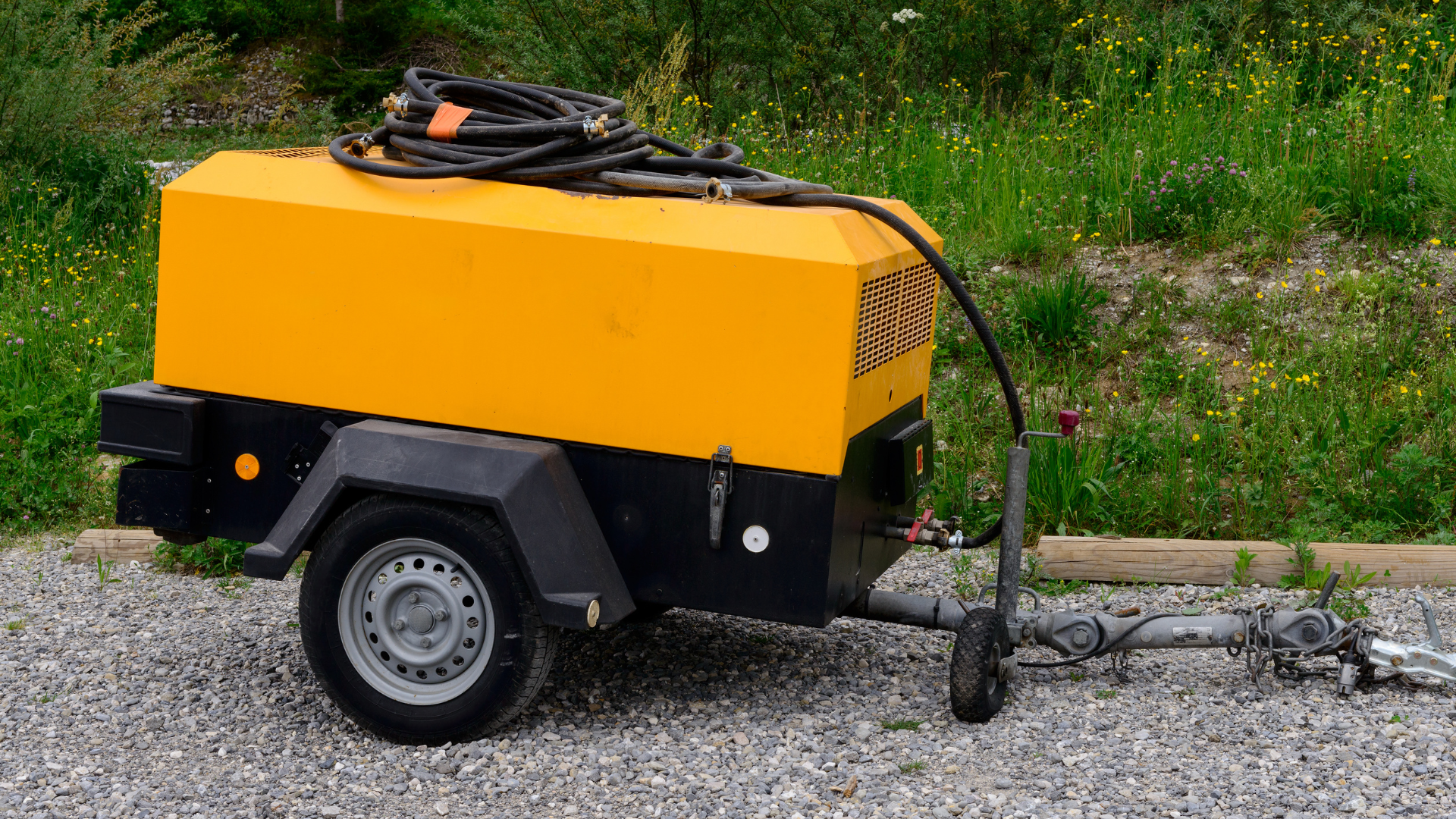
In the world of machinery and industrial equipment, compressors play a crucial role in numerous applications. Whether it's in manufacturing, refrigeration, or even in your local auto repair shop, compressors are responsible for creating the pressurised air needed for various processes.
Understand the importance of servicing compressors and why it should be a priority for businesses and individuals alike.
Why Compressor Servicing Matters
Performance
Compressors are workhorses, often running for hours on end. Over time, dust, debris, and wear and tear can take a toll on their efficiency. Regular servicing helps keep your compressor operating at its peak performance, ensuring that it produces the necessary airflow and pressure consistently.
Energy Efficiency
An inefficient compressor not only reduces productivity but also consumes more energy. Routine maintenance, such as cleaning air filters and lubricating moving parts, can significantly improve energy efficiency, leading to cost savings in the long run.
Extended Lifespan
A well-maintained compressor can last significantly longer than one that is neglected. Replacing a compressor is a costly endeavour, so investing in regular servicing can help you extend its lifespan and delay the need for a costly replacement.
Reduced Downtime
Unexpected breakdowns can be a major disruption to any operation. Regular servicing can help identify and address potential issues before they lead to costly downtime. Preventive maintenance is often more cost-effective than emergency repairs.
Safety
Compressors operate under high pressure, making safety a top concern. Regular servicing ensures that safety features, such as pressure relief valves, are functioning correctly, reducing the risk of accidents and injuries.
Steps in Compressor Servicing
The typical steps involved in servicing compressors:
Visual Inspection
A thorough visual inspection of the compressor is the first step. Technicians look for signs of leaks, damage, or unusual wear and tear.
Air Filter Cleaning/Replacement
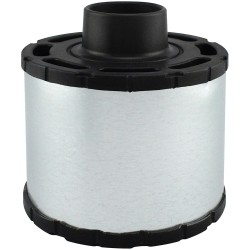
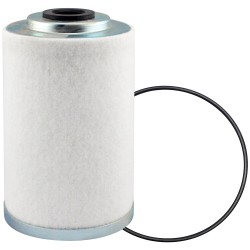
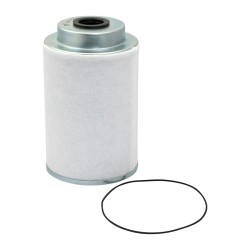
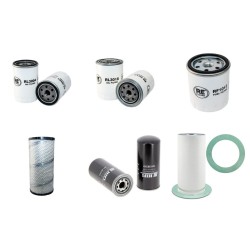
Dirty or clogged air filters can hinder airflow and reduce efficiency. These should be cleaned or replaced regularly.
Oil Level Check and Change
Compressors with oil lubrication systems require regular checks of oil levels and oil changes as needed. Proper lubrication is essential for preventing friction and overheating.
Tightening and Lubrication
All moving parts and connections should be checked for tightness and lubricated as necessary to reduce friction and wear.
Pressure and Temperature Checks
Technicians will measure and adjust the compressor's pressure and temperature settings to ensure they are within the recommended operating range.
Electrical System Inspection
The electrical components, including wiring and controls, should be inspected for damage or wear that could lead to electrical issues.
Safety Checks
Pressure relief valves, safety switches, and other safety mechanisms should be tested to ensure they are functioning correctly.
Documentation
Proper record-keeping of maintenance activities, including dates and any repairs or replacements, is essential for tracking the compressor's performance and compliance with regulations. RE Fleet Manager is a great tool to help you manage your service intervals for the compressor’s you look after.
In the world of industrial machinery, compressors are the unsung heroes, quietly working to provide the essential compressed air needed for various applications. However, like any piece of equipment, they require regular care and attention to continue performing at their best.
By prioritising compressor servicing, individuals and businesses can enjoy improved efficiency, energy savings, extended lifespan, and enhanced safety.
So, the next time you hear the hum of a compressor in your workplace, remember the importance of giving it the attention it deserves. It's not just a machine; it's a vital part of your operation's success.