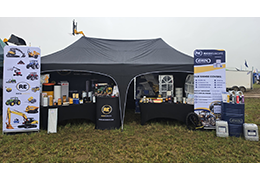
We'd like to say a huge thank you to everyone who visited the RICO Europe stand over the two-day event.
How Protecting your Hydraulic Cylinders can save you money
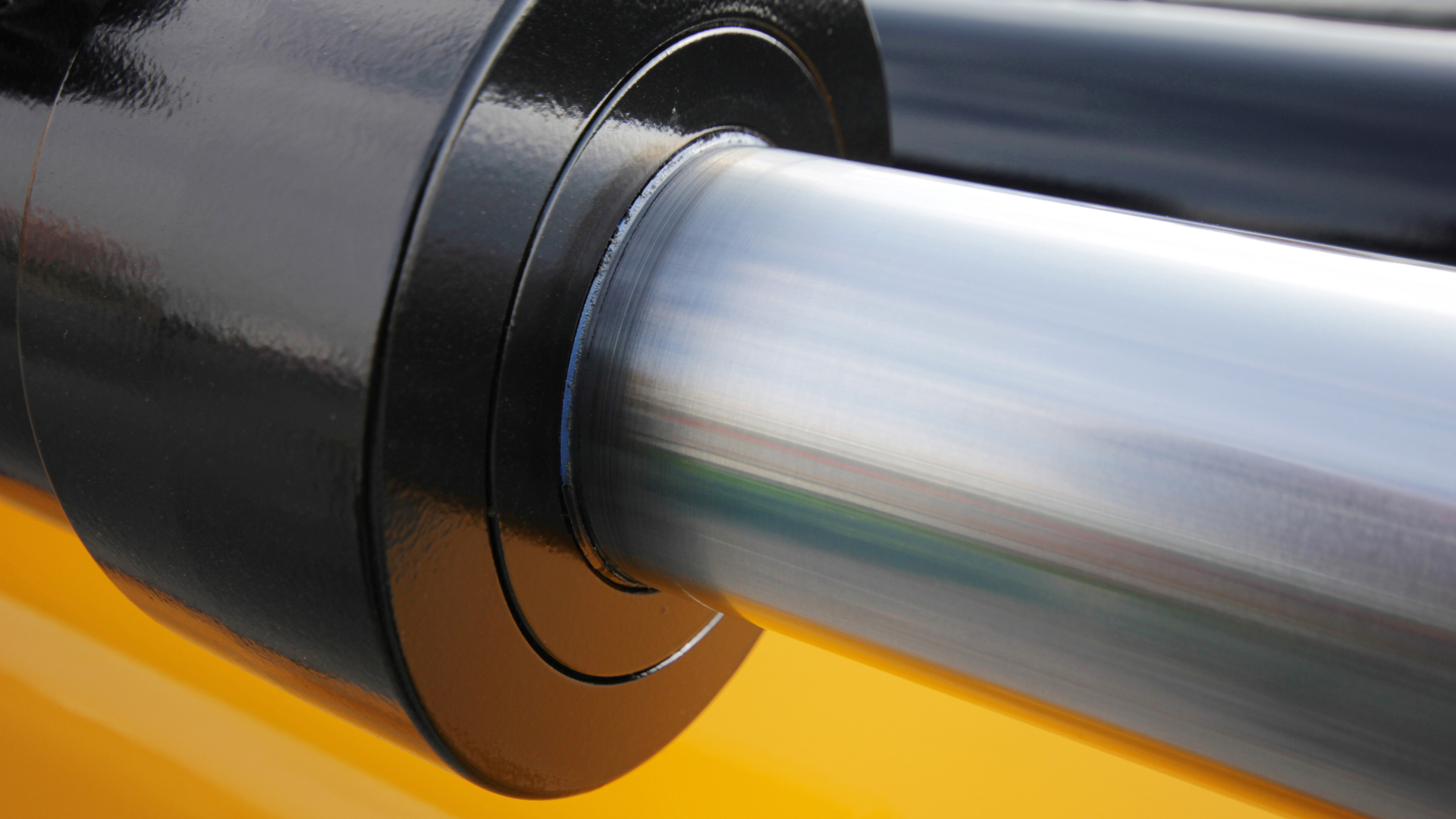
Effective hydraulic filtration is crucial in preventing damage to cylinders caused by hydraulic fluid contamination, which can result in wear, abrasion, and even catastrophic failure.
In fact, studies have shown that 75% to 80% of hydraulic component failures are due to contaminated hydraulic fluid.
The high pressure of modern hydraulic systems means that even particles that are too small to be seen by the naked eye can cause significant damage to the hydraulic cylinder and beyond.
By implementing proper filtration, you can protect your cylinders, increase efficiency, and reduce the total cost of ownership.
What Do We Mean by Contaminants?
Hydraulic systems are frequently exposed to extreme conditions, including dusty, dirty, or moist environments.
Unfortunately, these environments pose significant risks to the sensitive components of hydraulic equipment.
Even the tiniest particles of dust or moisture that enter the cylinders can cause component failure, and there are countless opportunities for exposure.
In fact, particles resulting from normal wear and tear, which can be smaller than a red blood cell, can cause severe damage to the hydraulic system.
Therefore, it is crucial to take the necessary measures to protect your hydraulic systems from both internal and external dangers.
Contamination of the Hydraulic Cylinder Is a Multitiered Problem
Contaminants may lead to issues when they make their way into the cylinder, whether through dirty piston rods, worn or broken seals, or improper installation of new components.
First, these particles can cause inefficiencies. Small areas of wear and tear can cause leaks – and when valves and cylinders start leaking, system efficiency drops significantly.
Pressure drop within the cylinder adds stress to hydraulic pumps, which means the system requires more power to run and more fuel is consumed. And leaking seals mean more hydraulic fluid usage due to loss. It’s a chain reaction of inefficiency, and it all adds up to higher cost of ownership.
Second, is eventual component failure. Those particles eventually cause abnormal wear, etching and abrasion inside the cylinder. The abrasive wear generated by the foreign particles leads to more contaminants in the system as the metal shavings are added to the system.
Those new particles cause an even more abrasive effect inside the cylinder.
A cascading effect that will eventually lead to damaged rods, barrels and seals. These lead to bigger problems, and it all leads to higher costs of ownership.
For instance:
- Wear to the rod seal causes leakage and loss of fluid. This means more fluid usage and more expenses.
- Wear to the guide bushing or piston bearing can cause the rod to become misaligned, which makes the whole component less efficient. It also causes fluid seepage.
- Excess wear to the piston seal causes a drop in pressure, which can mean slower cylinder speeds, resulting in less work done by the equipment.
How much does an hour of downtime cost an operation?
Effective Filtration
To protect a fleet from hydraulic system breakdowns caused by contamination, Fleet Managers can rely on efficient hydraulic filtration.
Any type of contamination can cause inefficient operation or expensive downtime, making it crucial for the filtering system to capture even the tiniest contaminants.
The importance of filter efficiency is highlighted by ISO 4406, which states that a two ISO code improvement in fluid cleanliness can increase the lifespan of hydraulic components by 60 percent.
This raises the question of how much a fleet can save annually by increasing component life by 60 percent.
Lower Cost
In today's economy, where expenses such as fuel, components, and labour increase daily, reducing costs and increasing efficiency is crucial. Employing efficient hydraulic filtration is a practical way to safeguard valuable and delicate equipment, lower expenses in fuel, fluid, and components, and prevent costly downtime.
Essentially, it can reduce the overall cost of ownership.
Related Content:
Blog: The importance of Hydraulic Filtration