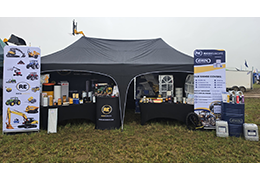
We'd like to say a huge thank you to everyone who visited the RICO Europe stand over the two-day event.
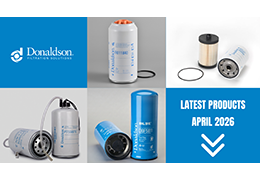
11 strategies to help your diesel engine in cold weather conditions
Tier III and IV high-pressure common rail (HPCR) fuel systems have transformed diesel engine performance over the past decade. By delivering more precise combustion, these systems improve fuel efficiency and reduce particulate emissions.
But cold weather can throw a wrench into the system.
Newer HPCR engines are more sensitive to fuel quality than older models. What passed through legacy engines without issue can now cause clogs, shutdowns, or expensive downtime—especially when temperatures drop. That’s because 95% of the particulates in diesel fuel that older engines tolerated must now be filtered out to protect HPCR systems.
Cold weather makes these issues worse. Poor fuel handling practices that worked in the past won’t cut it anymore.
Here are 11 proven strategies—backed by Donaldson—to help you operate your diesel equipment reliably in winter conditions:
1. Know Your Cloud Point
The cloud point is the temperature at which diesel begins to look hazy as wax crystals form. It’s your most reliable early warning sign. Filter-plugging solids can start forming at just -15°C (5°F) above the natural cloud point. Monitor it closely.
2. Don’t Rely on the Cold Filter Plugging Point (CFPP)
The CFPP was designed for older systems with coarse filters. It does not indicate whether fuel will flow through a modern HPCR filter. Don’t use it as your benchmark for cold weather performance.
3. Talk to Your Fuel Supplier
Work with your supplier to determine the right winter and summer diesel blend for the upcoming two weeks. The right mix changes as weather shifts—plan accordingly.
4. Buy Fuel in Shorter Intervals
Avoid storing fall-purchased diesel for winter use. As fuel cools below the cloud point, wax solids increase. Buy only enough fuel for 2–3 weeks of operation during cold months.
5. Clean Your Tanks
Water, sediment, and microbes can all lead to filter plugging. Have your tanks professionally cleaned. Done improperly, cleaning can stir up more trouble. Also, keep tanks full—it reduces condensation and ice formation.
6. Use Cold Flow Additives (Carefully)
Additives can improve flow in extreme cold—but use them correctly:
- Only use as needed, based on forecasted weather
- Never add to cold fuel
- Don’t exceed manufacturer guidelines
- Avoid splash blending whenever possible
7. Limit Condensation
Fill your fuel tank at the end of each shift, while the engine is still warm. This helps reduce condensation forming inside the tank overnight.
8. Don’t Downgrade Your Filters
Never switch to a lower-efficiency filter to try and “beat” waxing. If filters clog, bring them indoors for 20 minutes—if it’s wax, it’ll melt. If not, you may have a chemical contamination issue, not just waxing.
9. Avoid Biodiesel in Winter
If biodiesel isn’t required in your area, avoid it in cold months. Even at 5% blends, biodiesel performs worse in low temps compared to #1 or #2 diesel. At that level, it’s considered a lubricity additive and may not be clearly labeled.
10. Keep Spare Filters in the Cab
Always carry extra on-engine fuel filters in your truck or equipment cab. Cold starts and unexpected clogs happen—be ready to swap them out.
11. Use the Right Fuel Filter at the Pump
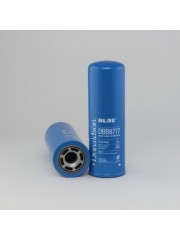
In winter, use a single-pass high-efficiency winter fuel filter, like the DBB8777, at your storage tank. It mirrors the efficiency of your on-engine filter and catches contaminants before they reach your engine.
Keep Your Fleet Moving This Winter
Choosing the right filter is critical in cold conditions—don’t guess. Use RICO Europe's Cross Reference Tool to quickly and accurately find the correct replacement filter for your equipment. Whether you're matching part numbers or searching by equipment make and model, it's fast, free, and built for professionals who can’t afford downtime.